
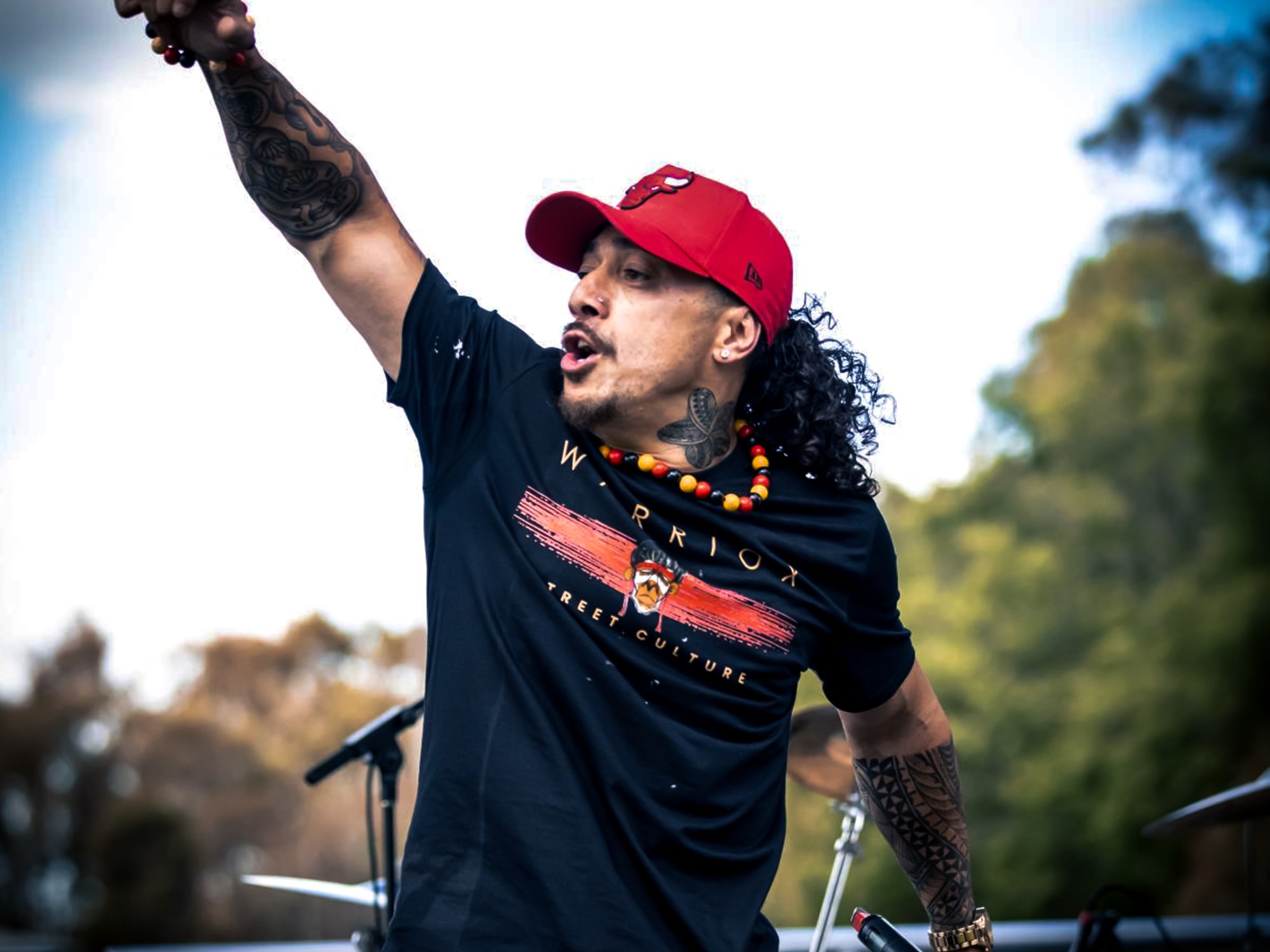
When I chatted with singer Jimmy Kyle from the punk band Chasing Ghosts about their album Therapy for NAIDOC Week last year, I thought it would be a one-off special episode.
But this year, I’ve come across a First Nations musician with another captivating story.
It’s a story about identity, the healing power of music, and passing knowledge on to future generations. And because this year’s NAIDOC Week’s theme is “50 Years Deadly”, I reckon this honest conversation with Crooked TP fits perfectly here.
PART 270 OF “AM I EVER GONNA SEE YOUR FACE AGAIN?” A RANDOM COLLECTION OF UNKNOWINGLY OBVIOUS FACTS ABOUT THE AUSTRALIAN MUSIC SCENE
NAIDOC Week 2026 is pretty special. It marks five decades of this observance that celebrates the history, culture, and achievements of Aboriginal and Torres Strait Islander peoples in Australia. And even though it’s not an officially recognised holiday in the Land Down Under yet, some cool events are happening all over the country between 5-12 July.
It’s also a great opportunity to have meaningful conversations with First Nations artists about the broader context of the celebrations. And in my experience, they’re always very open and welcoming when talking about their culture.
Crooked TP was super generous in sharing his journey. From overcoming systemic hurdles and personal challenges to becoming a dope artist, a dedicated educator and an inspiring Ambassador of His People.
He is a proud Mutthi Mutthi/Yorta Yorta and Tongan artist, and a devoted father of two. Born and raised in the small town of Robinvale in Victoria’s northwest, his upbringing between Robinvale and Mildura has shaped his authentic perspective: late nights, street life and survival, full of lessons he chose to learn the hard way.
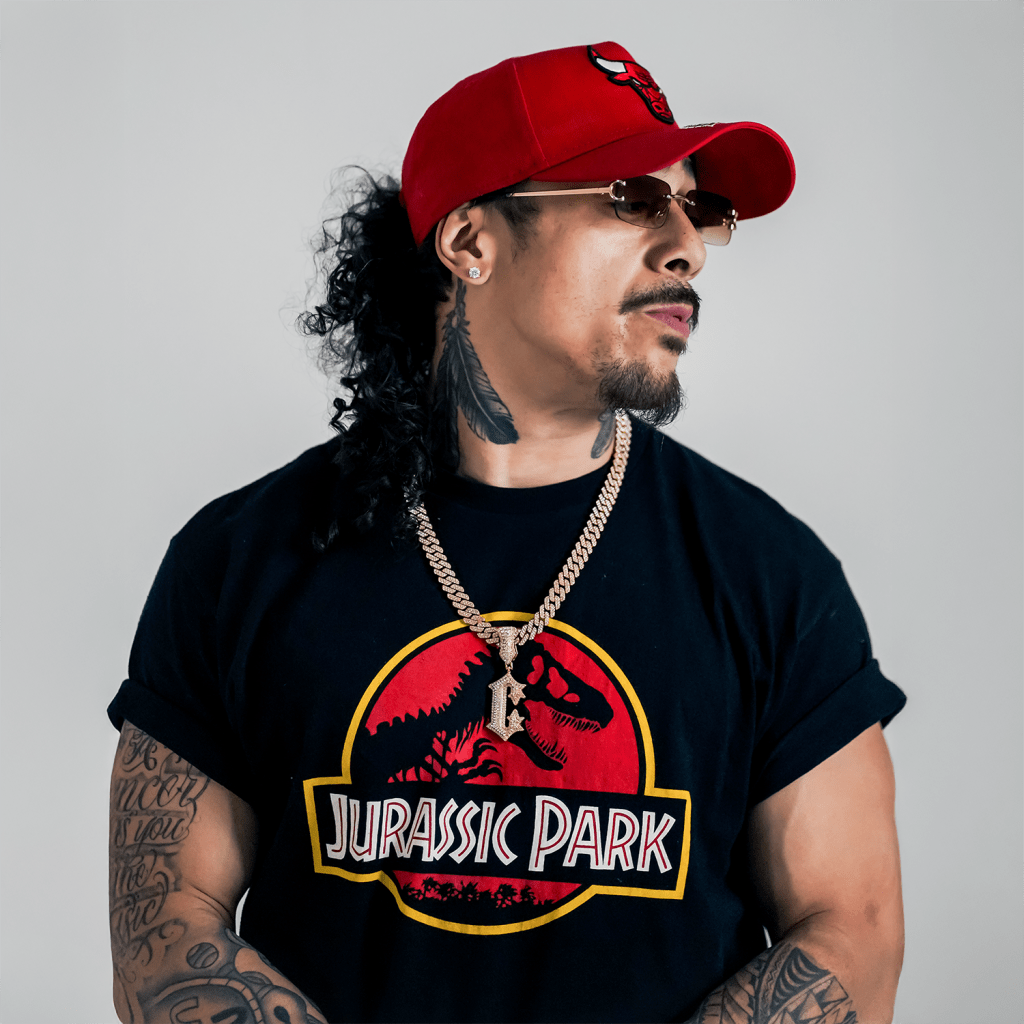
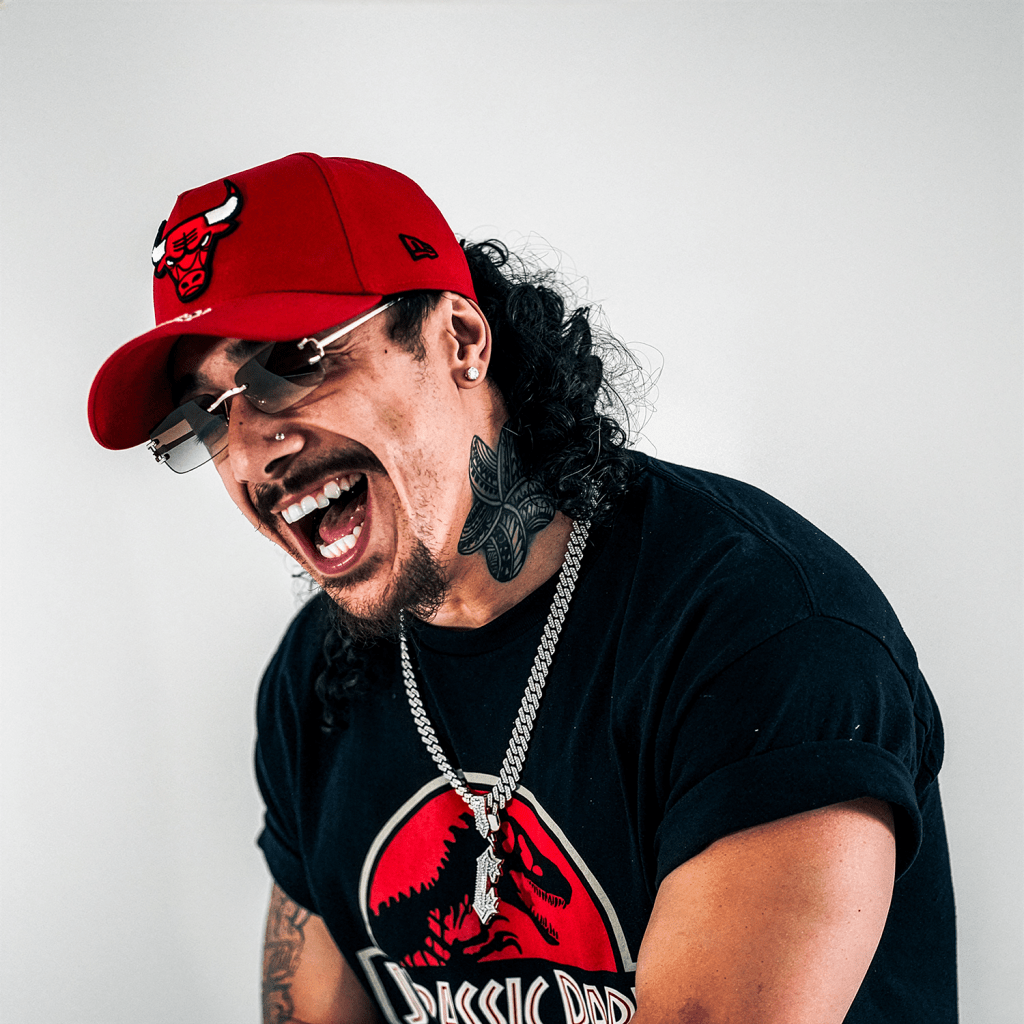
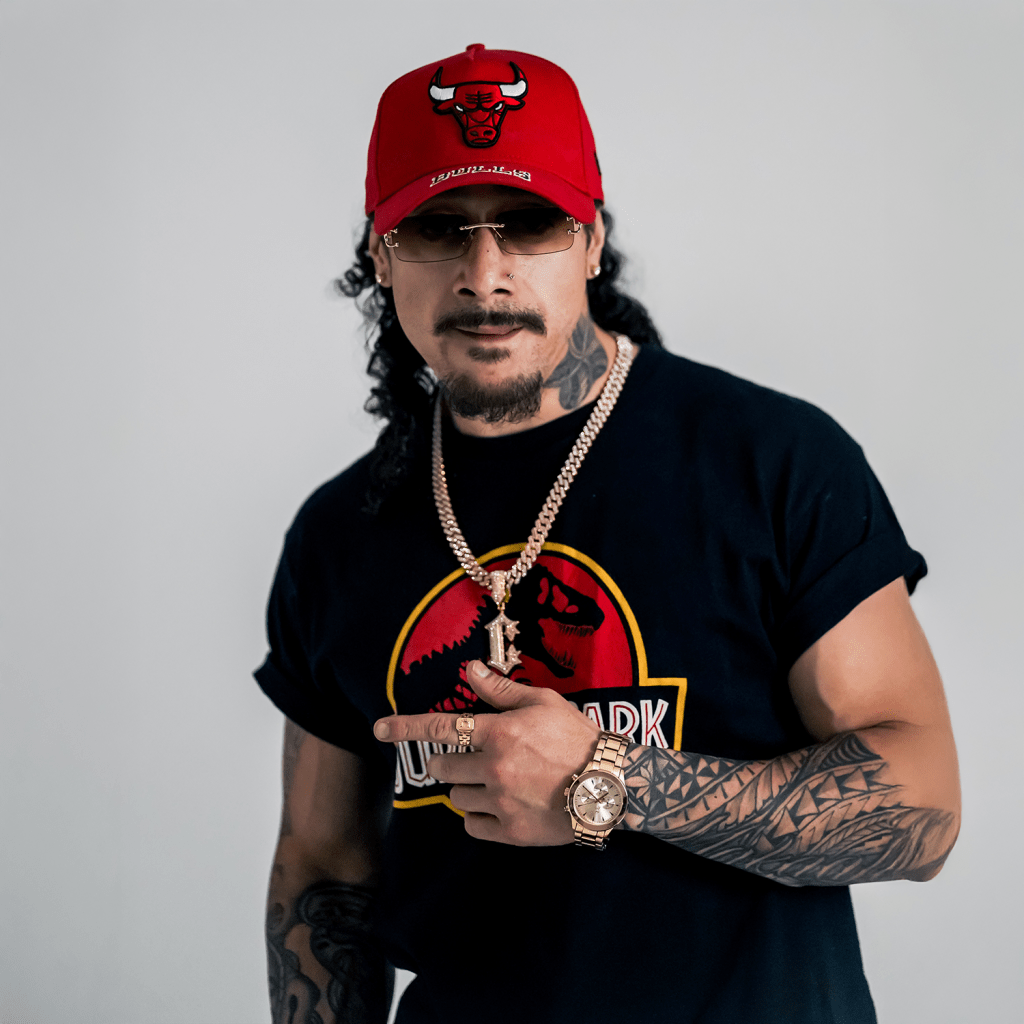
“Growing up Aboriginal and Tongan was tough,” he tells me. “Because – at that time – the Pacific Islanders and the First Nations’ people didn’t get along. So we [Crooked TP and his brother] were plastic, we were not the full 100%.”
Often called the derogatory word “abo”, used to put Indigenous people down for hundreds of years, or “you’re one of them” when he was hanging out with his Aboriginal peers, he says he did try to fit in. “But at the end of the day, I knew who I was, and I embraced both cultures. I see myself as a hybrid or like a new breed. I had the best of the two worlds.”
He grew up without his Tongan father, so he praises the role of female figures in the First Nations’ culture. With all the intergenerational trauma and “the new stuff that came with it”, including drugs, alcohol and violence, in Crooked TP’s experience, men don’t really know how to handle it.
But women are the ones that hold everything, especially families, together. He pays a touching homage to them. “They teach us how to love when we don’t know how to love. And when we’re clouded up here,” he points to his head, “they show us a different way.”
The rapper also stresses the importance of community in the Aboriginal upbringing. “Our Aunties and Uncles are like family, keeping the youth safe and educated in both aspects, living in the First Nations culture and the Western world.”
Although he’s been in the music industry game for a few years now, his artistic endeavours didn’t start by making music.
Dancing “has brought a good feeling in my body since a very young age,” he recalls. That passion, developed in a dance company that combined hip-hop and ballet, has taken him locally to Rainbow Serpent, Wominjeka Festival, and VIC NAIDOC celebrations. He’s also travelled across the world with the collective, ticking off one of his biggest dreams: performing at London’s West End.
He also leads and manages his own dance crew, BIA (Brothers In Arms), using physical expression as another powerful tool for storytelling and connection. The group pays tribute to diverse cultural ties, including West Papua, New Zealand, Tonga, the Philippines, and Australia’s First Nations, contributing to preserving the members’ identities.
I ask about the beginnings of his rapping/singing. “Now we’re getting into the story,” he prefaces what I’m about to hear. You can tell he feels a bit uneasy, so I offer to switch the conversation to a different topic. “Yeah, no,” he jumps in. “I wanna talk about it. It helps me, too.” And that is definitely the moment when the interview turns into a very honest yarn.
He mentions writing verses for his crushes in school, which he never took seriously. But his debut album Life was actually a result of something much more solemn: his struggles with navigating things, being a father and the addiction to ice (meth) that came with it. It was a collection of disturbing thoughts going through his head, some of which “men don’t find easy to talk about.” The song titles from that record, “Bad Habits”, “Brotherman” or “Suicidal Thoughts,” pretty much say it all.
Despite that difficult chapter in his life, there’s a beautiful ending to it. “Doing music has helped me speak up and was one of the things that helped me get off it and become clean,” he says proudly.
All of this echoes through his craft. The dark experiences have shaped his rhymes ever since, infusing them with gritty urban realism and raw masculinity, blending cultural pride with fortitude and guts.
For the past five years, Crooked TP has been releasing original flows that are at once fluid and sleek, tenacious and tough. His sound goes beyond the hip-hop realm, however, demonstrating his natural musical adaptability to embracing other styles, like reggae or R&B. He stresses that he doesn’t want to be limited by genres but just “make music and hit every ear.”
It looks like he’s heading in the right direction. Last year’s “Dreamtime at the G” release – a powerful, anthemic nod to AFL’s annual tradition – caught the attention of triple j, who listed Crooked TP in their ‘10 First Nations artists you NEED to hear in 2025’ lineup, alongside official Best New Music playlist adds to Unearthed and airplay across the station.
His latest offering, released on Valentine’s Day 2026, follows on from a series of 3P releases (Summer, Chill and Club). The Love EP features his regular collaborator, the Fijian-born, Melbourne-based JDRO, and “the brother that introduced me to music,” Benny Vee.
Between music and movement, Crooked TP has also proven himself as a strong role model for the next generation, regularly facilitating cultural workshops for young people.
He’s a big believer in not finding artificial excuses as obstacles to achieving things in life. Asked about his future projects, he says excitedly: “I’m literally working on so many things.” One of them, based on his own life “coming in and out of the game”, carries an important message for the youth. “And I have a vault full of singles,” he summarises, laughing.
He also throws in a few other Easter eggs in our chat.
Like the story behind his moniker – which probably isn’t what you think it is. Or that time he turned down a once-in-a-lifetime opportunity to back-up dance for an international hip-hop star (for a very noble reason, I should add). Or when he teases another body of work he’s working on: “An all First Nations Blak album,” which is “something that has never been done before.” Lastly, he shares his views on the importance of NAIDOC Week in Australia.
So keep an eye on the Silly McWiggles channels this week for the full yarn with Crooked TP. And in the meantime, check out the ‘NAIDOC in the City’ event happening in Naarm/Melbourne this coming Friday, where he will be performing with his Brothers in Arms crew.
Get to know other First Nations acts from Australia

Language, music and stories. Four First Nations women are ‘Singing For Our Little Ones’, proving that a children’s album can be an invaluable resource for Australian classrooms
Music for children might not be something you’d expect to see on this blog. But this project is worth your attention. It’s worth Australia’s attention. Firstly, because Singing For Our Little Ones is a female-led initiative. The record is also a powerful celebration of First Nations languages and culture. And its educational value cannot be…

When Aboriginal storytelling meets electronic music, extraordinary things happen. The ‘Crown and Country’ release is the best example
As far as music projects go, Crown and Country is one of the most innovative ones coming from Australia in recent months. But this collaboration between Indigenous and non-Indigenous artists is unlike any other album you’ve heard before. In fact, it’s not a record in the traditional sense of the word at all. It’s a creative audiovisual project, brought to…
“We want to make it awkward without us”. Rapper DOBBY on educating the public on First Nations’ stories. Interview
When I first heard about DOBBY, it was because of “I Can’t Breathe” – the song he recorded with BARKAA, following George Floyd’s death in 2020. Above anything else, the track’s lyrics got my attention. They are a very powerful response to the false claims by Australian reporters covering the BLM protests in LA that…

