
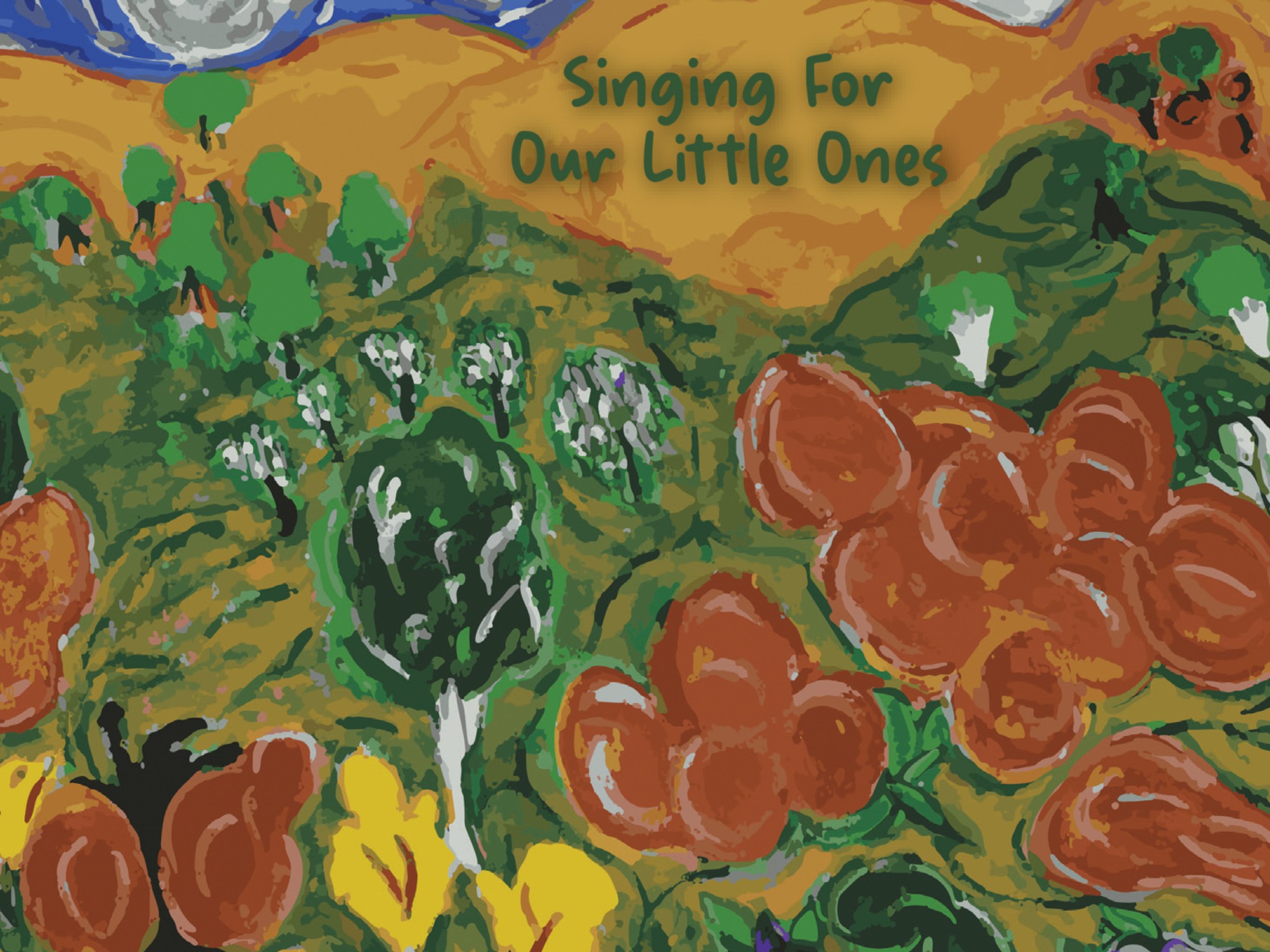
Music for children might not be something you’d expect to see on this blog. But this project is worth your attention. It’s worth Australia’s attention.
Firstly, because Singing For Our Little Ones is a female-led initiative. The record is also a powerful celebration of First Nations languages and culture. And its educational value cannot be underestimated.
So I was curious about how this groundbreaking project, 20 years in the making, came to life. Here’s what I found out.
PART 242 OF “AM I EVER GONNA SEE YOUR FACE AGAIN?” A RANDOM COLLECTION OF UNKNOWINGLY OBVIOUS FACTS ABOUT THE AUSTRALIAN MUSIC SCENE
Releasing this album wouldn’t be possible without the tenacíty and determination of four Aboriginal women whose voices you hear on it.
The name of the first of them might sound familiar because Dr Shellie Morris AO is one of Australia’s most respected singer-songwriters. She is renowned for her powerful storytelling, deep commitment to language preservation, and healing through music.
With a career spanning over 30 years, she is dedicated to uplifting First Nations voices and creating meaningful change both on international stages and within remote communities across the continent. Hence, she performs in more than 20 Aboriginal languages, many of which are critically endangered, using music to reclaim identity, preserve culture, and connect generations.
Since reconnecting with her Wardaman and Yanyuwa heritage, Dr Morris has championed language revitalisation through award-winning works. They include “Ngambala Wiji li-Wunungu (Together We Are Strong)” and the acclaimed “Prison Songs”. The latter received five AACTA nominations and multiple awards for its cultural and humanitarian impact. I covered it in this post, as one of the six Australian music documentaries I recommend watching.
Dr Morris’s impact extends beyond the stage, however. In recognition of her extraordinary contributions to music performance and education, he has been bestowed with an honorary Doctor of Music degree (honoris causa) by The University of Sydney. This further solidifies her status as a luminary in her field, an individual whose influence reverberates not only through her music but also through her educational endeavours.
In May 2025, Dr Morris received the Red Ochre Award for Cultural Advocacy and Leadership. It recognises her extraordinary contribution to the arts. This is yet another addition to the already impressive list of accolades, which include NAIDOC 2014 Artist of the Year, the 2013 Deadly Award for Cultural Advancement, ARIA nominations, and being named 2014 NT Australian of the Year.
Beyond awards, Shellie Morris is also deeply respected for her grassroots work. She is a mentor, leading workshops and co-creating projects that celebrate First Nations languages, elevate female voices, and foster pride and resilience in communities across Australia.
Singing For Our Little Ones is one of those initiatives.
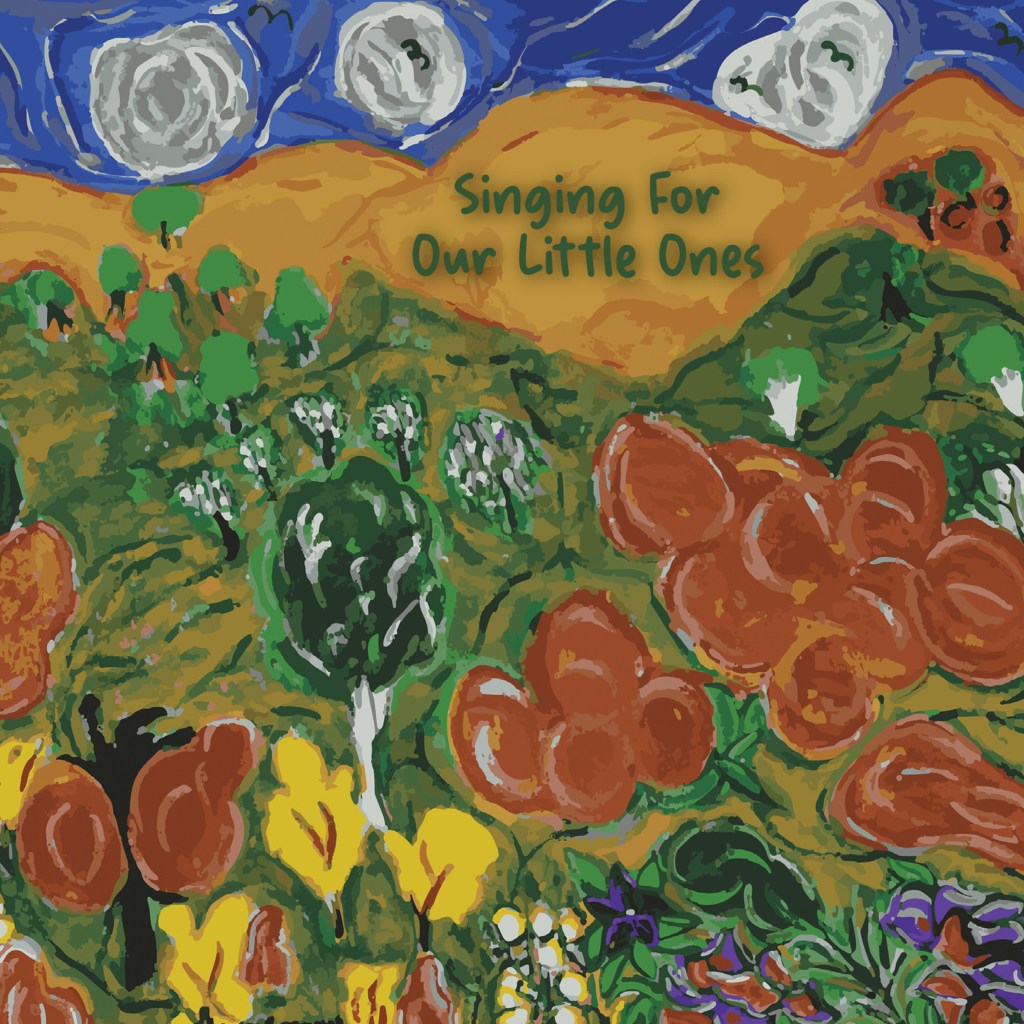
The album marks the realisation of a long-held dream to create a collection of songs geared towards young people. It is specifically crafted for early years education and meant as a joyful, educational material designed to reconnect children and communities with the beauty and power of First Languages. It features nine uplifting, playful and nurturing songs in Warumungu and English.
“This album was created from the hearts of women: for children, for families, for the future,” shared Dr Morris. “It’s about honouring the voices of Elders, language custodians, and mothers who carry the strength of our cultures. We want children to grow up feeling strong in their identity and connected to Country, community and learning.”
But Singing For Our Little Ones is more than just music — it’s a dynamic classroom and community resource, too.
The record is accompanied by nine curriculum-aligned lesson plans for use in early primary education, a beautifully illustrated children’s book, colouring sheets and backing tracks, and a teacher framework to support authentic local-language engagement in schools across the country.
Designed to empower teachers and schools to build respectful relationships with First Nations language holders in their own communities, the project provides a model for genuine two-way learning — fostering inclusion, curiosity, and pride.
The album and supporting materials are available through the official Singing For Our Little Ones website, offering a meaningful tool for educators, families and communities to start the day with song, language, and strong hearts.
The songs were developed in collaboration with three other First Nations women, Rosemary Plummer from Tennant Creek, her sister Marlene Plummer and fellow grandmother Miriam Frank. Their role is pivotal in bringing this project to life as well — they belong to a small handful of fluent Warumungu speakers left in the world.
UNESCO lists Warumungu as a “severely endangered” language, meaning it is generally spoken by grandparents and older generations. While younger people may understand it, they don’t communicate in it with their children. This is something the women want to see change, which is what has driven the 20-year desire to create the album.
The three women’s respective stories and their activism are the best references for developing this noteworthy project.
For over 50 years, Rosemary Plummer has championed the Warumungu language as a founding member of the Papulu Apparr-Kari Language Centre and Barkly Regional Arts. Growing up surrounded by Warumungu speakers, she remains dedicated to preserving her language and inspiring future generations to embrace their cultural heritage.


“We want our little ones to have a spark for Warumungu, for all Aboriginal languages,” she said of this project.
Her sister Marlene is a proud Warumungu Elder from Tennant Creek, dedicated to preserving her language and culture as well. She hopes this album will inspire young children to connect with the Warumungu language through music, fostering cultural pride, identity, and a lasting legacy for future generations.
Miriam Frank is a Warumungu language custodian, passionate about preserving culture through music and education. As a contributor to the Warumungu Children’s Album, she hopes to inspire young generations to keep their language and heritage alive, honouring the teachings of Elders and fostering pride through daily use and song.
Together, the four Aboriginal women have created something extraordinary, combining music with education in a playful and approachable way.
“Our little ones are our future, and they take on different languages with so much joy and fun. We’ve had a blast creating this work around lots of tea, biscuits and laughter,” shared Dr Morris.
While the project is driven by Connected Beginnings Tennant Creek, the creators received a groundswell of support from other Australian institutions. Funding was secured from the National Aboriginal & Torres Strait Islander Music Office (NATSIMO), APRA AMCOS and Music Australia.
Hopefully, the album’s unequivocal impact will soon spread to more Australian classrooms. After all, nothing quite fosters connection like stories told with the help of music.
Learn about more unique music projects spearheaded by First Nations creators:
When Aboriginal storytelling meets electronic music, extraordinary things happen. The ‘Crown and Country’ release is the best example
As far as music projects go, Crown and Country is one of the most innovative ones coming from Australia in recent months. But this collaboration between Indigenous and non-Indigenous artists is unlike any other album you’ve heard before. In fact, it’s not a record in the traditional sense of the word at all. It’s a creative audiovisual project, brought to…

NAIDOC Week special: “I do care that some little Koori kid might think, ‘If he can do it, I can do it’.” Interview with Jimmy Kyle from Aussie punk band, Chasing Ghosts
This conversation is pretty special to me. Remember that I used to co-host the Cultural Popcorn show on Radio 614 from Columbus, Ohio, in the States? When I was researching for an episode showcasing First Nations acts, one of my contacts from Australia suggested that I listen to an EP called Homelands by Chasing Ghosts.…
It’s time to sport that fave band merch as Support Act celebrates the inaugural Mobmusic T-Shirt Day
Any day is a good day to support your favourite artists. But every year in November, Australian music fans and the wider industry come together to celebrate a special occasion – Ausmusic T-Shirt Day. This year, for the first time, the campaign is shining a light on its First Nations artists and creatives by simultaneously…
 Silly McWiggles blog & podcast