
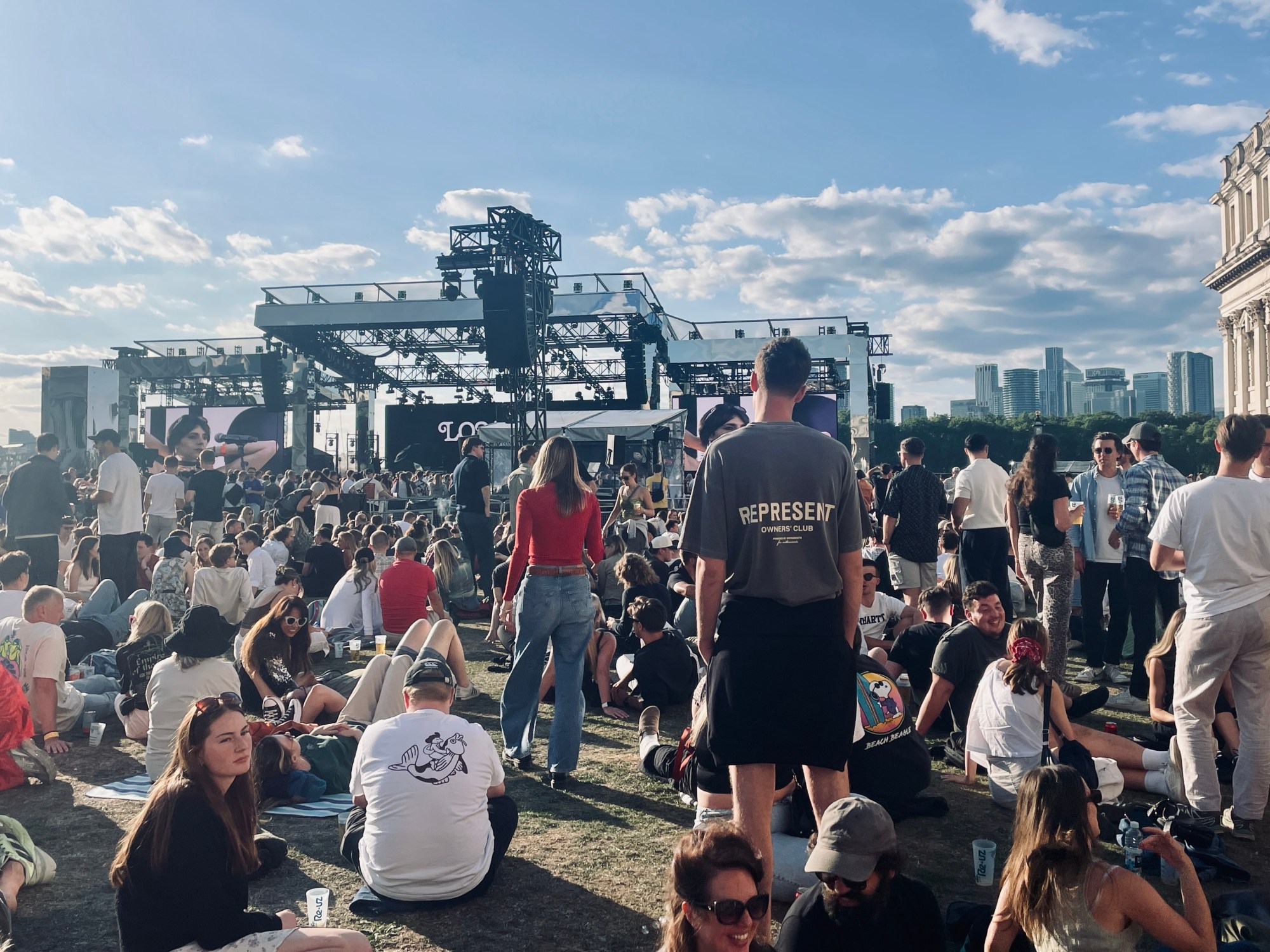
In 2018, I bumped into hip-hop artist Baker Boy, who was hanging out in the crowd at Laneway Fest in Melbourne’s suburb of Footscray. A week later, at St Kilda Festival (also in Melbourne), I discovered the music of R&B/soul singer-songwriter, Caiti Baker. And it was an unforgettable moment to see the electronic duo Peking Duk close Spilt Milk in their hometown of Canberra later that year.
As far as music experiences go, festivals are pretty special for artists and fans alike.
So I’m stoked that ARIA has finally recognised the role they play in the local music business by establishing a new award category dedicated to the music events that elevate local, Australian acts.
PART 236 OF “AM I EVER GONNA SEE YOUR FACE AGAIN?” A RANDOM COLLECTION OF UNKNOWINGLY OBVIOUS FACTS ABOUT THE AUSTRALIAN MUSIC SCENE
I’ve recently come across interesting research. It claims that “Going To A Concert Every 2 Weeks Could Add 9 Years To Your Life.” Crazy, right? Who can afford it these days???
But what if you swapped it for just one big music event?
According to another study, “over half of Australian event-goers attended a music festival in the past year, with more than 70% viewing festivals as a rite of passage for young Australians.” Those numbers are quoted by ARIA – an institution that primarily represents the interests of Australia’s recording industry. Nevertheless, it often polls different stakeholder groups, conducts wider industry research and collects stats on various aspects of the local music business.
It is also the trade organisation behind the Australian music awards. The equivalent of American Grammys, the ARIAs take place annually in November and are always a good fun to watch.
While its categories are regularly adjusted, the ARIA Awards are generally divided into four segments. They are presented in general music and genre awards, like Album of the Year or Best Pop Release. Then, Fine Arts, namely Jazz, Classical and World music and Original Soundtrack are recognised separately. Cover Art, Engineer of the Year and Producer of the Year are regarded as Artisan categories. Lastly, some awards are voted on by the public, i.e. Best Video, Song of the Year or Music Teacher of the Year.
All those trophies refer to the recording side of the business, as they should. The industry’s live side has its own trade organisations in the Land Down Under, after all. So it seems that ARIA didn’t want to tread on their toes in recognising their members or stakeholders.
Until now, that is, when a collaboration with two other Australian music bodies led to a historic announcement on August 5th, 2025.
A new award for Best Music Festival will be presented to the submitting promoter for the first time at this year’s ceremony on November 19th. The idea behind it is “to recognise and celebrate the critical role Australian music festivals play in showcasing and advancing local talent”. Critical being the key word here.
Since the pandemic, the live music industry worldwide has been hit pretty hard. Some legendary venues have had to shut down. Ticket prices have gone through the roof. And a few Australian festivals have either had to skip some years, been indefinitely put on hold or discontinued altogether.
Those who have managed to stay afloat face another challenge today. How to attract punters when the cost-of-living crisis affects the majority of the population?
The most recent stats related to the festival scene in Australia are from the 2022/2023 season. According to Creative Australia’s records, there were 535 events back then. (Given that the country’s population is approximately 26 million people, that’s an impressive number, wouldn’t you say?) Most of those brands are members of AFA (the Australian Festival Association).
There is another party that has a lot to do with live music events. Despite Ticketmaster’s monopoly, the Land Down Under boasts its own ticketing agency, Ticketek, and a locally-based resale platform as well. That last one, Tixel, is the third protagonist in this story.
The collaboration between ARIA, AFA and Tixel reflects how radically the music industry model has changed recently. The new award announcement explains why establishing it greatly matters in 2025:
“Live music festivals are absolutely essential to the careers of Australia’s recording artists. They connect new audiences with artists, create critical opportunities for talent development, and play a pivotal role in showcasing the diversity and strength of our local music ecosystem.”
Additionally, it states that “Festivals often provide the first big stage for emerging artists and remain one of the most powerful platforms for artist discovery in the country.”
Let’s break down this argumentation.
Contrary to what you might think, proceeds from record and merch sales are rarely an average artist’s primary income source in the 21st-century music realm. Gigging is.
But even headlining their own tour can’t compare to the exposure (especially up-and-coming) bands get when they are booked for a major festival with a popular headliner. Chances are, the fans who come to see the main act will stick around after or show up a bit earlier to suss out the rest of the festival bill.
That’s the main reason I love going to festivals, too. Aside from bopping to your fave music, there’s always that one artist who will blow your socks off. When all you knew about them before the event was their controversial moniker or a song you accidentally heard on the radio the other day.
But festivals are no charitable institutions (except for, obviously, the ones put on by NGOs, etc.).
Events like Coachella in the US, Glastonbury in the UK, Rock Am Ring in Germany or Splendour In The Grass in Oz are big and complex operations that require hiring heaps of staff and employing other costly resources. It’s definitely not in their interest to be out of pocket. So who do you think they’d rather spend money on: an overseas celebrity whose name guarantees decent concert attendance or a promising local act just building their career in the biz?
Thankfully, this disparity doesn’t go unnoticed in the Australian music community. There are notable initiatives advocating for more local musicians at live music events, including financial incentives for festivals that follow that advice. One of them is Michael’s Rule, which implies that each international headliner should mandatorily have an Australian support act.
The new festival category at the ARIAs has the potential to further urge promoters to book more local artists. Especially since one of the main eligibility criteria is the so-called Australian Content Requirement.
A nominee can fulfil it in one of two ways. It can either secure “an Australian artist or band in the top billing tier (typically top 3-5 names) who performs a prime-time set on a main stage with recordings controlled or distributed by a current ARIA member.” Or it can ensure that “over 50% of all separately billed acts on the festival’s official lineup are Australian.”
The remaining requirements, full documentation and all other relevant info regarding the new award are available on the ARIA website. Nominations for festivals can already be submitted here. The link will be open until August 18th, 2025.
As an avid festival-goer myself, I’m super curious about this new recognition. So I’ll definitely be glued to the screen in November to find out which festival takes the inaugural trophy. But I’ll also follow the developments beyond the 2025 ARIAs, hoping that it will motivate promoters to take a chance on more emerging local musos.
And who knows… Maybe next time I’m at a festival in Oz, I’ll bump into another rising star casually strolling amongst the punters?
Learn about other music business-related initiatives in Australia:
“It’s about enhancing Australian acts’ independence in building long-term careers” – Will Cuming, aka LANKS, on Community Music and its unique value for local artists. Podcast interview
At the beginning of October 2024, LinkedIn’s algorithm pushed an interesting piece of news to my feed: UNIFIED Music Group was relaunching its COMMUNITY MUSIC platform – a global distribution and amplification alternative made in Oz. The press release provided a comprehensive background of the whole concept. But I still wanted to know about the…

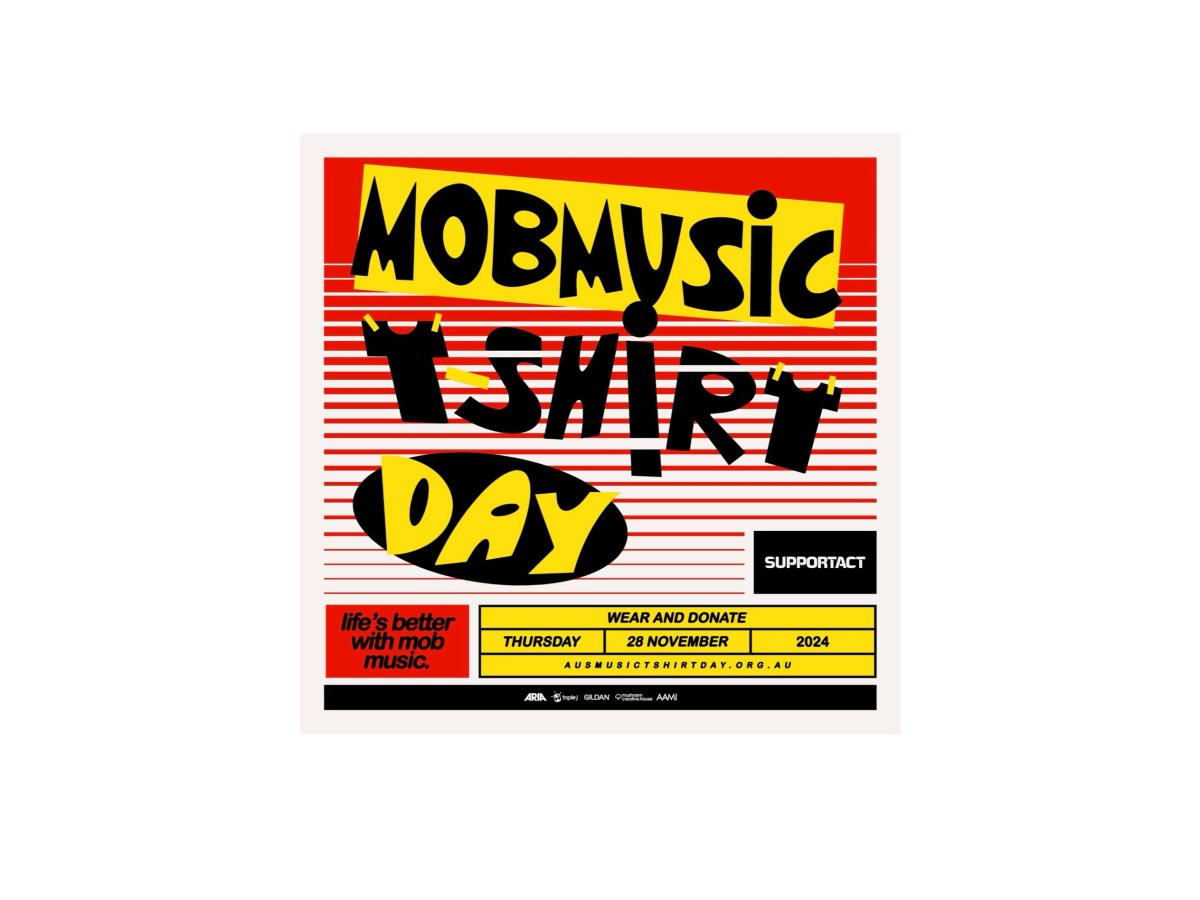
It’s time to sport that fave band merch as Support Act celebrates the inaugural Mobmusic T-Shirt Day
Any day is a good day to support your favourite artists. But every year in November, Australian music fans and the wider industry come together to celebrate a special occasion – Ausmusic T-Shirt Day. This year, for the first time, the campaign is shining a light on its First Nations artists and creatives by simultaneously…
Good news for up-and-coming artists and artist managers in Australia: The Seed Fund’s iconic Management Workshop is back for 2025
Being an (independent) artist means wearing more than one hat these days. Sure, your main “job” is writing, recording and performing songs. But someone needs to book studio time. Those press releases won’t send themselves. Chasing overdue gig payments is another task altogether. Working in music is not a walk in the park, even for…
 Silly McWiggles blog & podcast