
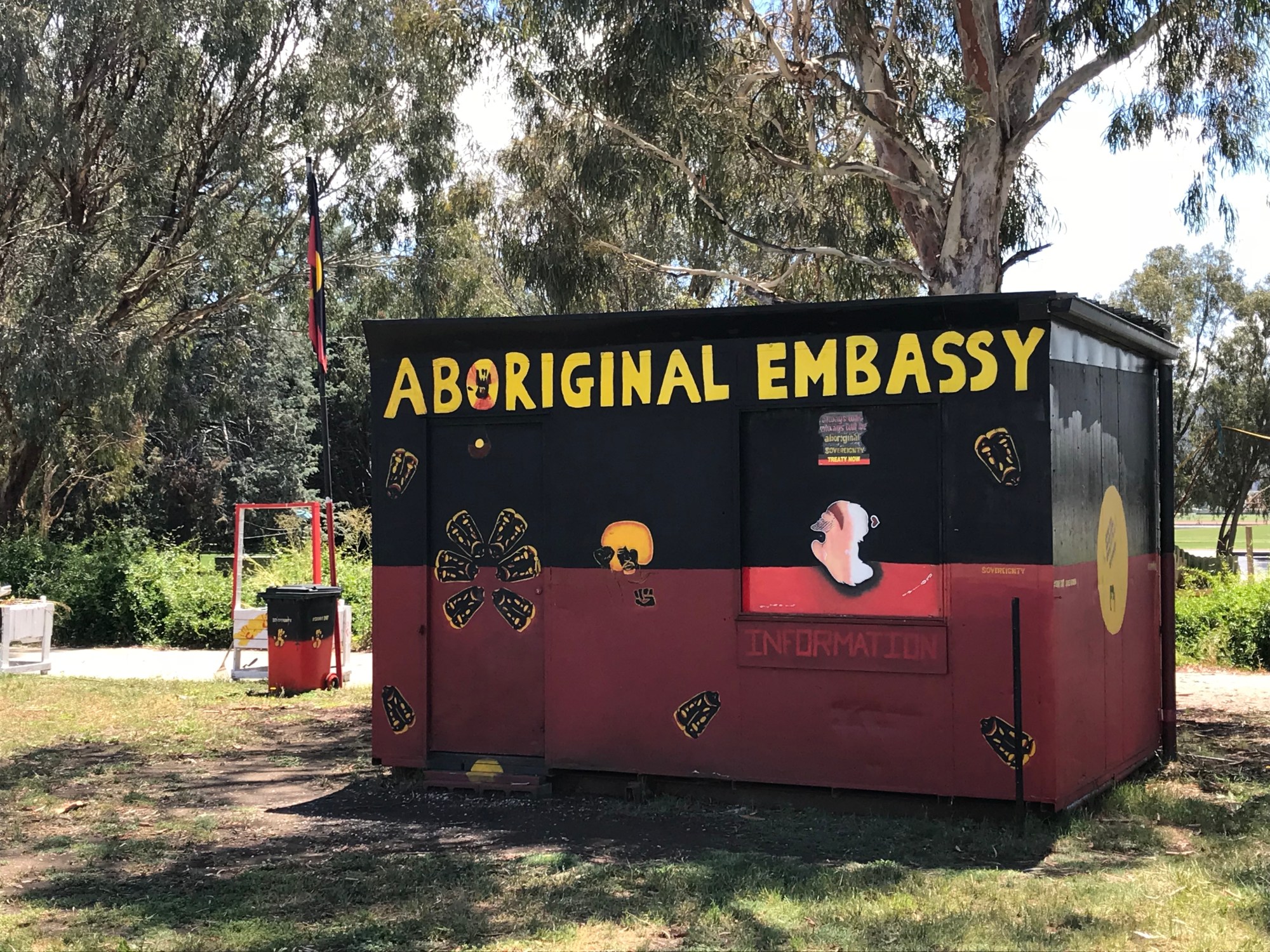
Every year, in the week lasting from the first Sunday in July until the following Sunday, Australia celebrates the First Nations’ history and legacy.
The one-week NAIDOC event is full of cultural activities, among other things.
Music is also a big part of those celebrations. So this week, I’ve taken it upon myself to gather and present stories about First Nations artists on some of my channels.
NAIDOC stands for National Aboriginals and Islanders Day Observance Committee. Its roots go back to the 1938 Day of Mourning, which became a week-long celebration in 1975.
NAIDOC week celebrates the history, culture and achievements of Aboriginal and Torres Strait Islander peoples.
It’s not only recognised in Indigenous Australian communities. More and more government agencies, schools, local councils and workplaces also emphasise its importance.
So even though I’m a foreigner, I really wanted to do something to be a part of celebrating First Nations artists on my channels.
Because if I’ve learned anything about Indigenous Australian people, it’s that they are amazing storytellers. And they often pass on their knowledge, wisdom and “commentary” about the world surrounding them through different art forms.
First Nations’ music is, naturally, what interests me the most. I’m in awe of traditional chants and songs that often tell “mythological” stories (i.e. Dreaming), refer to nature or narrate first encounters with foreigners.
Ngulmiya is one of those exceptional songmen who not only preserves his ancestors’ stories in his recordings but also brings them to audiences around the world.
If you’re familiar with Australia’s history, you’ll also know why many Indigenous musicians choose the hip-hop path. After all, rap is a genre that tends to bring attention to, often ignored or neglected, social and political issues.
During my time in Australia, I got to know a few Aboriginal musicians. But I also came across someone known for groundbreaking work with First Nations artists, “raising public awareness of their cultural value with positivity, sustainability and integrity.”
That person is Chryss Carr, who runs AUM PR + MGMT, a music agency with a 20-year record of success.
In her extensive career in the music industry in Australia, she’s probably collaborated with all the big names in the Indigenous Australian space, from Gurrumul and Dan Sultan to Briggs and Baker Boy, and – most recently – a rising hip-hop star, J-MILLA.
I wrote about her company a few years ago in this post. And partially because of it, I was able to secure a virtual chat with Chryss. The fruits of that interview are the new episodes of my ‘Silly Talks’ music podcast.
And not to sound too cocky, but you should definitely give them a listen to understand vital cultural aspects of the First Nations’ approach to life and the music business.
The artist manager and former publicist, who can’t help but still dabble with the media, also spoke to me about her rock ‘n’ roll career in the Australian music industry, falling in love with Darwin and the Northern Territory, and what it takes to break First Nations acts. Because, despite her long-standing career in the music industry, even she thinks PR has become a much more complex game these days.
She also shared her views on women’s place in the business and gave me solid advice on why the music industry is now a labyrinth and how to know “who’s who in the zoo.” So check it out on your favourite streaming platform.
Also, this coming Sunday, July 9, it’s my turn on Radio 614‘s “Cultural Popcorn” show. This time, I’ve curated a playlist with Australia’s First Nations artists exclusively.
So you’ll hear songs by legends like Yothu Yindi and Aunty Marlene Cummins. But there’ll also be modern-day bangers from up-and-coming acts like Kootsie Don and Wildheart.
If you can’t listen to the show when it’s aired and re-run throughout the week, check out Cultural Popcorn’s Mixcloud page, where it will be available a week after the original broadcast.
Finally, I wholeheartedly encourage you to dive deeper into the First Nations’ legacy and wisdom, especially when it comes to music.
Watching the ‘Gurrumul’ documentary, dedicated to one of the most revered Aboriginal Australian artists, who was blind and played the guitar upside down, can be the beginning of this inspiring journey.
NT boys group LIL YOUNGINS releases “The Problem” – a musical response to the issue of youth offending in Australia
Between 2017 and 2018, I volunteered for the social media team of the Amnesty International Melbourne branch. One of the projects I was involved in was a campaign to raise the age of children sentenced to jail. Back then, I was devastated to find out most offenders were between 10 and 17 years old. Sadly,…


No idea what to do on January 26 in Australia? Visit IndigiTUBE – an online media platform preserving First Nations language and culture for future generations
The debate about “Australia Day” comes back every year like a boomerang. Ironically, this national holiday still divides Australians more than it unites them. Some Aussies enjoy their barbies, while most Aboriginal people mourn their ancestors. There are different approaches to moving forward: from changing the date to abolishing it altogether. But nothing concrete has…
“I’m still that kid from Shep” – rapper Briggs challenges the media perception of Aboriginal artists. Interview
Before living in Australia, I didn’t know much about Aboriginal culture, aside from the very simplistic and stereotypical picture painted by history books. In Australia I learnt how artistically creative Aboriginal community is, with lovingly kept traditions dating back thousands of years. Especially when it comes to music making. I’ve been meaning to write about…
 Silly McWiggles blog & podcast